The Secret to Feeling 40 When You’re 70 And It’s Not in a Bottle
The real anti-aging formula isn’t hidden in a pill or sold in a pharmacy. It’s built through the habits you practice every day.
Many people assume that getting older automatically means losing energy, slowing down, and accepting physical decline.
But research in longevity science shows something very different.
People in their 60s and 70s can remain strong, mentally sharp, and active when they build the right habits into their daily lives.
Feeling younger isn’t about chasing the latest anti-aging trend.
It’s about taking care of your body, your mind, and your environment in ways that support long-term health.
The encouraging news is that many of these changes are simple and accessible.
You don’t need extreme workouts or complicated diets.
You just need to start with the fundamentals.
1. Develop the Right Longevity Mindset
One of the most powerful factors influencing healthy aging is how you think about aging itself.
Your beliefs shape your behaviors. And your behaviors shape your health.
People who believe their best years are behind them often stop trying new things, move less, and withdraw socially.
Over time, those choices begin to affect physical and mental health.
On the other hand, people who stay curious, optimistic, and engaged with life tend to remain healthier and more active.
Research from Yale University found that people with positive beliefs about aging lived an average of 7.5 years longer than those who viewed aging negatively.
That’s a remarkable difference created simply by perspective.
Ways to cultivate a healthy aging mindset
- Stop saying “I’m too old for that.”
• Stay curious and keep learning new things.
• Spend time with people who bring energy and positivity into your life.
• Laugh often and keep a sense of humor about life.
A healthy mindset doesn’t mean ignoring the realities of aging. It means choosing to focus on what you can improve and enjoy.
2. Move Your Body Every Day
Movement is one of the most powerful tools for maintaining health and independence as you age.
Your muscles, joints, and bones remain strong when they are used regularly.
When movement decreases, the body gradually loses strength, balance, and flexibility.
This is one of the reasons inactivity is strongly associated with accelerated aging.
Regular physical activity helps:
- Maintain muscle mass and strength
• Improve balance and coordination
• Protect heart health
• Support brain function
• Reduce the risk of chronic diseases
You don’t need intense workouts to see benefits.
What matters most is consistent movement.
Some of the best activities for healthy aging
Walking
Walking is one of the simplest and most effective ways to support longevity.
A daily walk improves circulation, strengthens muscles, and supports cardiovascular health.
Strength Training
Light strength exercises help prevent age-related muscle loss and maintain bone density.
Stretching or Yoga
Stretching improves flexibility and joint mobility, helping reduce stiffness and discomfort.
Dancing
Dancing combines physical activity, coordination, and social interaction, all of which benefit brain health.
Balance Exercises
Balance training is especially important because it helps reduce the risk of falls, which are a leading cause of injury among older adults.
3. Eat Foods That Support Longevity
The foods you eat every day influence how quickly your body ages.
Certain foods increase inflammation and contribute to chronic disease.
Others provide nutrients that help protect your cells, support brain health, and maintain energy levels.
Foods that may accelerate aging
Some foods are best enjoyed in moderation because of their effects on inflammation and metabolism.
These include:
- Highly processed snack foods
• Sugary drinks and desserts
• Fried foods
• Excess alcohol
• Processed meats
Diets high in these foods are linked to higher rates of heart disease, diabetes, and cognitive decline.
Foods that support healthy aging
Many of the foods that support longevity are simple and widely available.
These include:
Berries
Berries contain antioxidants that help protect the body from cellular damage.
Fatty Fish
Fish such as salmon, sardines, and mackerel contain omega-3 fatty acids that support heart and brain health.
Nuts and Seeds
These foods provide healthy fats, magnesium, and vitamin E.
Leafy Greens
Vegetables like spinach and kale are rich in vitamins and minerals that support cognitive and cardiovascular health.
Healthy Fats
Foods such as avocados and olive oil help reduce inflammation and support overall wellness.
Building meals around whole foods rather than heavily processed products can significantly improve long-term health.
4. Protect Your Sleep
Sleep plays a crucial role in healthy aging.
During deep sleep, the body performs essential maintenance processes.
These include:
- Repairing damaged cells
• Regulating hormones
• Strengthening memory
• Clearing metabolic waste from the brain
When sleep quality declines, the body has less opportunity to recover and restore itself.
Over time, poor sleep is linked to higher risks of heart disease, cognitive decline, and metabolic disorders.
Ways to improve sleep quality
- Maintain a consistent sleep schedule
• Create a relaxing evening routine
• Avoid bright screens before bedtime
• Keep your sleeping environment cool and dark
• Limit caffeine late in the day
Better sleep can improve energy levels, mood, and mental clarity.
5. Stay Social and Mentally Engaged
Human connection plays a powerful role in long-term health.
People who maintain strong relationships tend to live longer and experience better mental and emotional well-being.
Loneliness and social isolation can increase stress levels and negatively impact physical health.
Maintaining social engagement helps support both emotional and cognitive health.
Ways to stay socially active
- Join a club or community group
• Volunteer in your community
• Attend educational classes or workshops
• Spend regular time with friends and family
• Travel or explore new environments when possible
Keeping the mind active also supports neuroplasticity, the brain’s ability to adapt and grow throughout life.
Activities such as reading, learning new skills, and solving puzzles help keep the brain engaged.
6. Create a Safe Environment for Healthy Aging
An often overlooked part of aging well is the safety of your living environment.
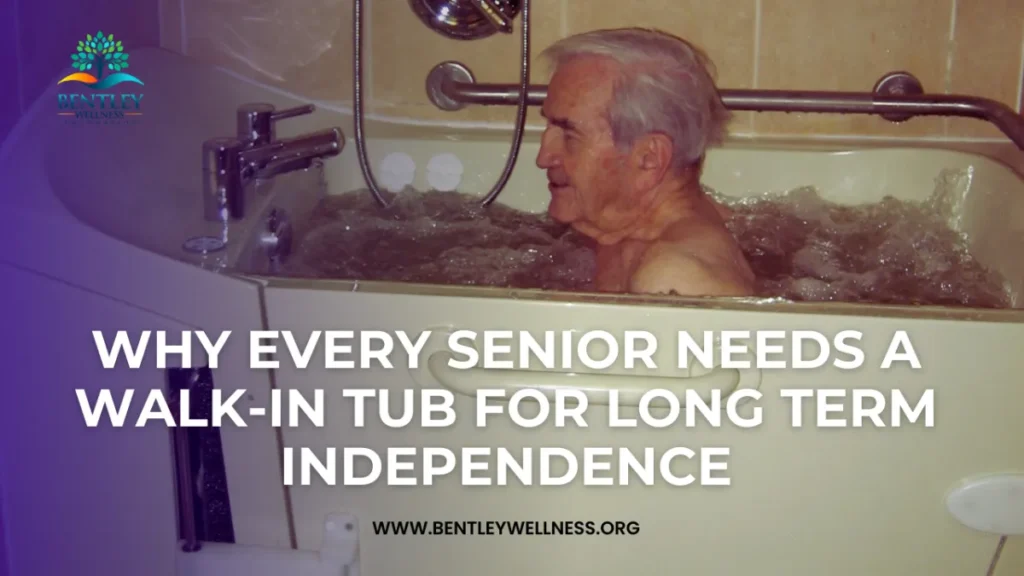
Many injuries that affect older adults happen inside the home, particularly in the bathroom.
Wet surfaces, slippery floors, and limited support when entering or exiting a bath or shower can increase the risk of falls.
Making simple adjustments to your bathroom can dramatically improve safety and confidence when bathing.
These improvements might include:
- Installing grab bars for stability
• Improving lighting
• Using non-slip surfaces
• Choosing safer bathing equipment
If you want to learn practical strategies for making bathing safer as you age, you can explore the Safe Bathing Course here:
This course provides guidance on creating a safer and more comfortable bathing environment for seniors and caregivers.
The Bottom Line: Feeling Younger Starts With Daily Habits
Aging is a natural part of life, but how you experience it is strongly influenced by your daily choices.
By focusing on the fundamentals, you can support long-term health and independence.
Key habits that support healthy aging include:
- Maintaining a positive mindset
• Moving your body regularly
• Eating nutrient-rich foods
• Getting consistent, high-quality sleep
• Staying socially connected
• Creating a safe living environment
You don’t need to change everything overnight.
Start with one small improvement today.
Over time, those small actions can build into meaningful improvements in how you feel and function.
If you would like guidance on improving safety, wellness, and independence as you age, you can contact our team here:
Our goal is to help people stay active, confident, and comfortable in their homes for many years to come.