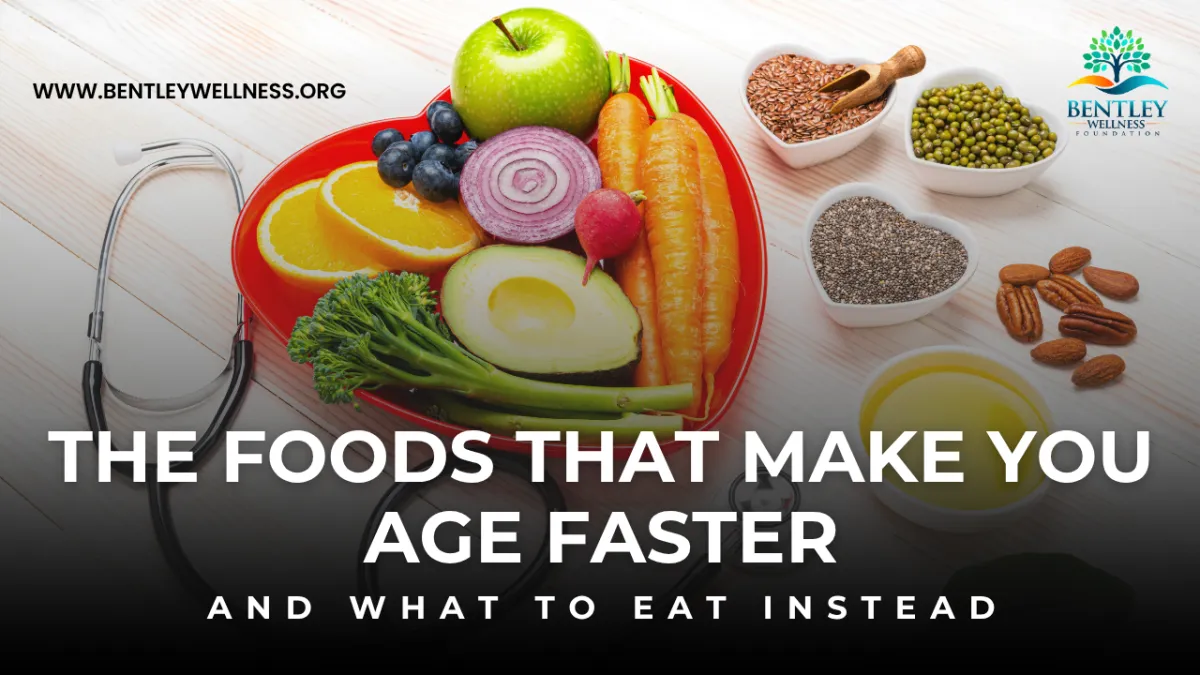
Foods That Make You Age Faster And What to Eat Instead
What’s on your plate is either slowing aging down or speeding it up.
Your fork can be one of the most powerful tools for longevity.
Most people don’t realize that the grocery store is where aging is often won or lost.
You can sleep well, exercise regularly, and manage stress. But if your diet consistently fuels inflammation, your body may be aging faster internally than it needs to.
Research shows that what you eat directly affects cellular health, brain function, hormone balance, and even how your skin ages.
The encouraging news?
Food-related aging is one of the most reversible factors in long-term health. You don’t need a complicated diet plan to improve things; you simply need to know which foods to reduce and which ones to add.
Let’s take a closer look.
1. The Foods That May Be Aging You Faster
Sugar and Refined Carbohydrates
Excess sugar is one of the biggest contributors to accelerated aging.
When large amounts of sugar circulate in the bloodstream, it triggers a process known as glycation. This process damages proteins in the body, including collagen, which supports skin elasticity.
Over time, this contributes to:
- Wrinkles and skin damage
- Increased inflammation
- Higher risk of heart disease
- Cognitive decline
Foods that commonly cause blood sugar spikes include:
- soda and sugary drinks
- pastries and baked goods
- white bread
- sweetened cereals
- candy and desserts
Reducing added sugar is one of the simplest ways to support long-term health.
Ultra-Processed Foods
Ultra-processed foods are designed to be convenient and highly flavorful, but they often contain additives, refined oils, preservatives, and excessive sodium.
Regular consumption of these foods has been linked to chronic inflammation, which plays a role in many age-related diseases.
Examples include:
- packaged snack foods
- fast food
- frozen processed meals
- sugary breakfast products
A diet high in ultra-processed foods can affect nearly every organ system in the body.
Fried Foods and Trans Fats
Fried foods often contain oils heated to very high temperatures. This process produces compounds called advanced glycation end products (AGEs).
These compounds can contribute to:
- skin aging
- inflammation
- cardiovascular disease
- cognitive decline
Reducing fried foods and choosing healthier cooking methods such as baking or grilling can help lower these risks.
Alcohol
Alcohol is often associated with relaxation and social gatherings, but regular consumption can affect the body in several ways.
Alcohol can:
- dehydrate the skin
- interfere with quality sleep
- reduce important nutrients such as B vitamins
- strain the liver
Over time, excessive alcohol intake may also impact brain health.
Moderation is key for long-term wellness.
Processed Meats and Excess Sodium
Foods such as bacon, hot dogs, deli meats, and many canned soups often contain high levels of sodium and preservatives.
These ingredients may contribute to:
- high blood pressure
- cardiovascular strain
- cellular dehydration
- increased disease risk
Reducing processed meats and choosing fresh foods more often can help protect long-term health.
2. What to Eat Instead: Foods That Support Healthy Aging
The good news is that many delicious foods are also powerful tools for longevity.
Here are some of the most beneficial choices.
Fatty Fish
Fish such as salmon, sardines, mackerel, and trout contain omega-3 fatty acids.
Omega-3s help:
- reduce inflammation
- support brain health
- protect heart function
- support joint health
Aim for two to three servings per week if possible.
Berries
Berries are among the most antioxidant-rich foods available.
Antioxidants help protect the body from free radicals that damage cells and accelerate aging.
Common options include:
- blueberries
- strawberries
- raspberries
- blackberries
Adding a small serving to breakfast or snacks can provide powerful benefits.
Leafy Green Vegetables
Leafy greens such as spinach, kale, and arugula provide nutrients that support brain health, bone strength, and heart function.
These vegetables contain:
- vitamin K
- magnesium
- folate
- antioxidants
People who regularly eat leafy greens tend to experience better long-term cognitive health.
Healthy Fats
Foods like avocados and extra-virgin olive oil contain healthy monounsaturated fats that support:
- heart health
- skin elasticity
- reduced inflammation
Olive oil, in particular, is a key part of the Mediterranean diet, one of the most studied eating patterns for longevity.
Nuts and Seeds
Walnuts, almonds, flaxseeds, and chia seeds provide healthy fats, fiber, and essential nutrients.
Studies consistently show that people who eat nuts regularly tend to have lower rates of heart disease and longer lifespans.
A small handful per day is enough.
Fermented Foods
Fermented foods support the gut microbiome, which plays a key role in immune health and inflammation control.
Examples include:
- yogurt
- kefir
- kimchi
- sauerkraut
- miso
A healthy gut supports many aspects of long-term health.
3. Simple Food Swaps That Support Longevity
Improving your diet doesn’t require a complete overhaul.
Start with small changes.
For example:
- White bread → whole grain or sourdough bread
- Sugary cereal → oats with berries and nuts
- Soda → sparkling water or herbal tea
- Fried foods → baked or grilled alternatives
- Processed meats → grilled chicken or fish
- Snack foods → nuts or fresh fruit
These simple swaps can lead to meaningful improvements over time.
4. A Simple Example of a Longevity-Focused Day of Eating
Healthy eating doesn’t have to be complicated.
A balanced day might look like this:
Morning
Oatmeal topped with blueberries and walnuts, with green tea or coffee.
Midday
A large salad with leafy greens, avocado, grilled fish or chicken, tomatoes, and olive oil dressing.
Snack
A small handful of almonds and a piece of dark chocolate.
Evening
Baked fish or chicken with roasted vegetables and a serving of fermented food such as yogurt or kimchi.
Throughout the day, drink plenty of water and include fresh fruits when desired.
Creating Healthy Habits That Support Aging Well
Nutrition is only one piece of the healthy aging puzzle.
Lifestyle habits such as movement, stress management, and maintaining a safe living environment also play a major role in long-term health.
For many older adults, the bathroom can be one of the highest-risk areas in the home for slips and falls.
Learning how to create a safer bathing environment can significantly reduce injury risk and help maintain independence.
If you’d like to learn practical ways to make bathing safer as you age, you can explore the Safe Bathing Course here:
The course shares simple strategies that help seniors and caregivers create a safer and more comfortable bathing experience.
Conclusion: Your Diet Is One of the Most Powerful Tools for Healthy Aging
Aging is influenced by many factors, but diet is one of the few things you can change immediately.
You don’t need to be perfect. What matters most is consistent, intentional choices.
Reduce foods that promote inflammation.
Add foods that nourish and protect your body.
Every healthy meal is a small step toward a stronger, more energetic future.
Start simple.
Choose one healthy swap today and build from there.
And if you want to learn more about protecting your health and independence as you age, consider exploring the Safe Bathing Course, which provides practical guidance for safer daily living.