Why Most Seniors Age Faster Than They Should And How to Reverse It. Aging Doesn’t Have to Be a Fast Track
A complete guide to healthy aging after 60, slowing age-related decline, and living longer naturally
Aging Doesn’t Have to Be a Fast Track
Ever wonder why some people in their 70s and 80s are hiking mountains while others struggle to climb a flight of stairs?
Aging faster than you should isn’t just bad luck. In most cases, it’s the result of everyday habits and lifestyle choices. Modern research into healthy aging shows that many age-related problems are preventable, not inevitable.
The encouraging news is that you can slow down aging naturally and sometimes even reverse aspects of it.
And no, it doesn’t require expensive anti-aging creams or miracle supplements.
The real key lies in your daily habits, environment, and health choices.
Let’s break down some common myths about aging and uncover practical ways to stay healthier, stronger, and more independent as you get older.
1. The Biggest Myths About Aging
Myth #1: Aging Is 100% Genetic
Many people assume their health in later years is determined by their genes.
But research shows that only about 20–30% of aging is genetic. The remaining factors are largely influenced by lifestyle.
That means your daily choices. What you eat, how you move, and how you manage stress play a huge role in how you age.
This is empowering because it means you have more control than you think.
Myth #2: Slowing Down Is Inevitable
Many people believe weakness, low energy, and memory loss are simply part of getting older.
In reality, many of these problems stem from lack of movement, poor nutrition, or environmental risks.
Healthy aging well into your 70s and 80s is possible when you maintain an active lifestyle and make smart health decisions.
Myth #3: Medication Is the Only Way to Stay Healthy
Medication can be necessary in some cases.
But relying only on prescriptions while ignoring nutrition, exercise, and preventive habits can actually accelerate health decline.
A better strategy combines medical guidance with lifestyle improvements that support long-term wellness and independence.
2. What Actually Speeds Up Aging?
Poor Diet and Chronic Inflammation
One of the biggest drivers of aging is chronic inflammation, which is strongly influenced by diet.
Highly processed foods, excess sugar, and fried foods contribute to inflammation and increase the risk of diseases such as heart disease, diabetes, and arthritis.
Diet habits that support longevity
- Eat healthy fats such as avocados, nuts, and fatty fish
- Increase antioxidant-rich foods like berries and leafy greens
- Reduce sugar and ultra-processed foods
- Consider supplements such as vitamin D, B12, magnesium, and omega-3s after consulting your doctor
A diet focused on whole, nutrient-rich foods can significantly slow down the aging process.
Sitting Too Much
A sedentary lifestyle is one of the biggest contributors to rapid aging.
Spending most of the day sitting can lead to the following:
- muscle loss
- stiff joints
- poor circulation
- slower cognitive function
Ways to stay active
- Take daily walks
- Try light strength training
- Practice stretching or yoga
- Add balance exercises
Balance exercises are particularly important because they help reduce the risk of falls, one of the leading causes of injury among older adults.
Home Safety and Fall Risks
Many people focus on fitness and diet but overlook an important factor in healthy aging: home safety.
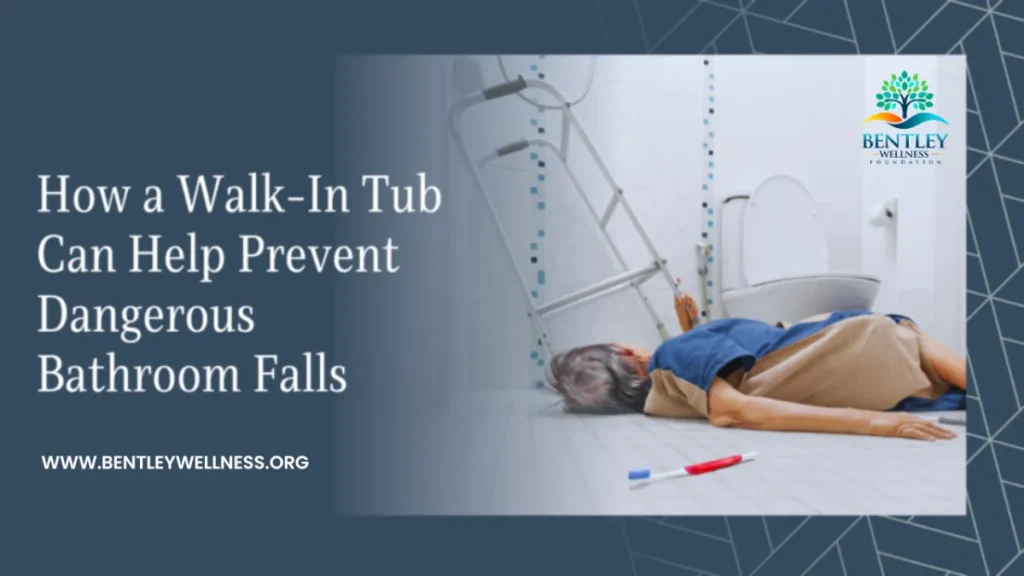
Bathrooms, in particular, are one of the most dangerous areas in the home for older adults due to slippery surfaces and limited support when entering or exiting the bath or shower.
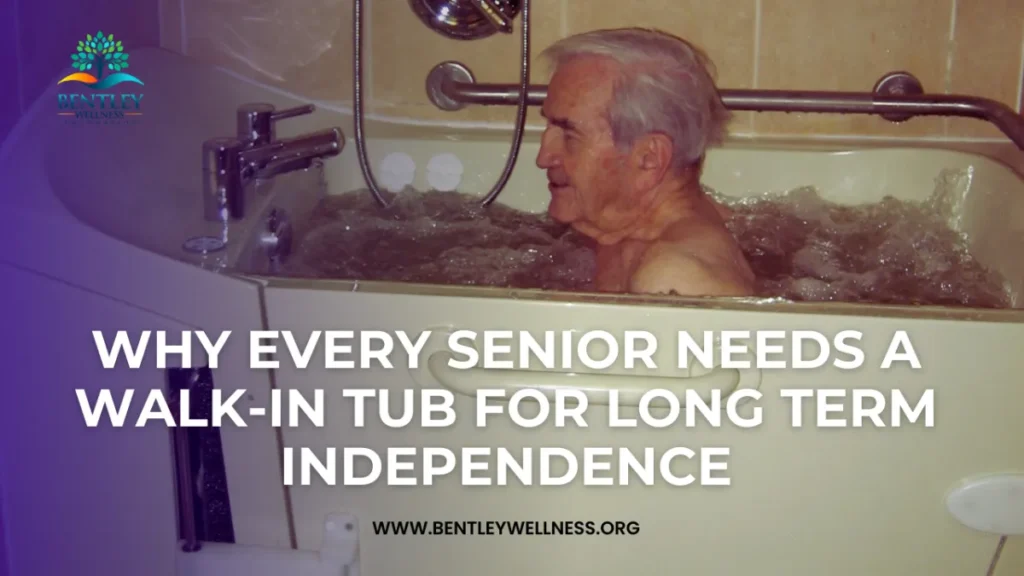
Learning how to create a safer bathing environment can significantly reduce fall risks and help seniors maintain independence longer.
If you’d like to learn practical ways to improve bathroom safety and prevent falls, you can explore the Safe Bathing Course here.
This course teaches simple steps that help make bathing safer and more comfortable as we age.
Stress and Poor Sleep
Chronic stress and lack of sleep can accelerate biological aging.
Research shows that stress hormones can damage cells and increase the risk of the following:
- heart disease
- cognitive decline
- weakened immunity
Ways to improve sleep and reduce stress
- Maintain a consistent sleep schedule
- Avoid screens before bedtime
- Practice deep breathing or meditation
- Take relaxing evening baths
- Spend time with family and friends
Social connection is one of the strongest predictors of long-term health and longevity.
3. How to Reverse Aging Naturally
Move Your Body Daily
Movement is one of the most powerful tools for healthy aging.
Even 10 minutes of daily activity can improve the following:
- circulation
- mood
- brain function
- muscle strength
The key is consistency, not intensity.
Walking, stretching, light strength training, or dancing in your kitchen can all make a difference.
Eat for Longevity
A longevity-focused diet includes the following:
- healthy fats
- fiber
- antioxidants
- fermented foods
Many longevity experts recommend a Mediterranean-style diet, which includes:
- olive oil
- fish
- vegetables
- legumes
- whole grains
This style of eating reduces inflammation and supports heart and brain health.
Train Your Brain
Your brain remains adaptable well into older age.
Activities that support cognitive health include:
- puzzles
- reading
- learning new skills
- playing music
- engaging conversations
Keeping the mind active helps maintain memory and mental sharpness.
Prioritize Joy and Connection
One of the most consistent findings in longevity research is the importance of purpose and strong social relationships.
People who maintain close relationships and meaningful activities tend to live longer and healthier lives.
Spend time with people who energize you and engage in activities that bring you fulfillment.
Conclusion: The Best Time to Start Is Now
Aging well isn’t about fighting time; it’s about working with it.
The foundations of healthy aging are simple:
- move regularly
- eat nourishing foods
- sleep well
- reduce stress
- stay socially connected
- create a safe living environment
Small lifestyle changes add up over time.
If you’re concerned about fall prevention and making your home safer as you age, you can learn practical steps in the Safe Bathing Course here:
These simple adjustments can help you stay independent, confident, and active for years to come.